Common Area Rug Cleaning Mistakes Homeowners Make and How to Avoid Them
Area rugs often look simple to maintain—shake them out, vacuum regularly, clean spills quickly. But in reality, rug care is far more delicate than most homeowners realize. One wrong move can lead to fading, fiber damage, lingering odors, or even permanent staining.
What makes it even more surprising is that many of the most damaging mistakes happen during routine cleaning attempts, not neglect. Homeowners often believe they are protecting their rugs when they are actually shortening their lifespan.
So what are people doing wrong—and how can these mistakes be avoided before they turn into costly damage?
Why Proper Area Rug Care Matters More Than You Think
Area rugs are not just decorative pieces; they are functional parts of your home that absorb:
- Dust and dirt
- Pet dander and hair
- Spills and food particles
- Pollen and airborne allergens
Because rugs are made from various fibers and dyes, they require more careful handling than standard carpeted flooring.
Improper cleaning can:
- Break down fibers
- Fade colors
- Lock in stains permanently
- Create odor buildup
- Reduce rug lifespan
Understanding what not to do is just as important as knowing how to clean them correctly.
Mistake #1: Using Too Much Water During Cleaning
Why This Causes Damage
One of the most common mistakes homeowners make is soaking area rugs with excessive water. While it may seem like more water equals deeper cleaning, the opposite is often true. Too much moisture can seep into the rug backing and padding underneath, creating long-term issues.
What Can Go Wrong
Overwetting can lead to:
- Mold and mildew growth
- Musty odors that linger
- Fiber weakening
- Color bleeding
- Warping or shrinkage
How to Avoid It
Use minimal moisture when spot cleaning and ensure proper drying time. For deeper cleaning, professional methods are designed to control moisture levels safely.
Mistake #2: Scrubbing Stains Aggressively
The Problem With Forceful Cleaning
When spills happen, many homeowners instinctively scrub hard to remove stains quickly. Unfortunately, this often pushes the stain deeper into fibers instead of lifting it.
Common Consequences
- Frayed fibers
- Spread stains
- Permanent discoloration
- Distorted rug texture
Better Approach
Always blot gently using a clean cloth, working from the outside of the stain inward. Patience is more effective than pressure when dealing with rug stains.
Mistake #3: Using the Wrong Cleaning Products
Not All Rugs Are the Same
Area rugs come in many materials, including wool, silk, synthetic blends, and cotton. Each reacts differently to cleaning solutions.
Risks of Incorrect Products
Using the wrong cleaner can cause:
- Color fading
- Chemical damage
- Fiber breakdown
- Sticky residue buildup
Safe Cleaning Strategy
Always test cleaning products on a hidden corner first. When unsure, professional cleaning is the safest option, especially for high-value or handmade rugs.
Mistake #4: Ignoring Manufacturer Care Instructions
Many homeowners never check the care label attached to their rug.
Why This Matters
Manufacturers provide specific instructions based on fiber type, dye stability, and construction methods. Ignoring these guidelines can lead to:
- Warranty voiding
- Improper cleaning techniques
- Permanent damage
Even simple details—like water temperature or drying method—can make a big difference.
Mistake #5: Over-Vacuuming or Using the Wrong Vacuum Setting
When Cleaning Becomes Too Harsh
Vacuuming is essential, but using the wrong settings or excessive force can damage delicate rugs.
Common Issues
- Pulling loose fibers
- Weakening edges
- Distorting weave patterns
- Wearing down fringe
How to Do It Correctly
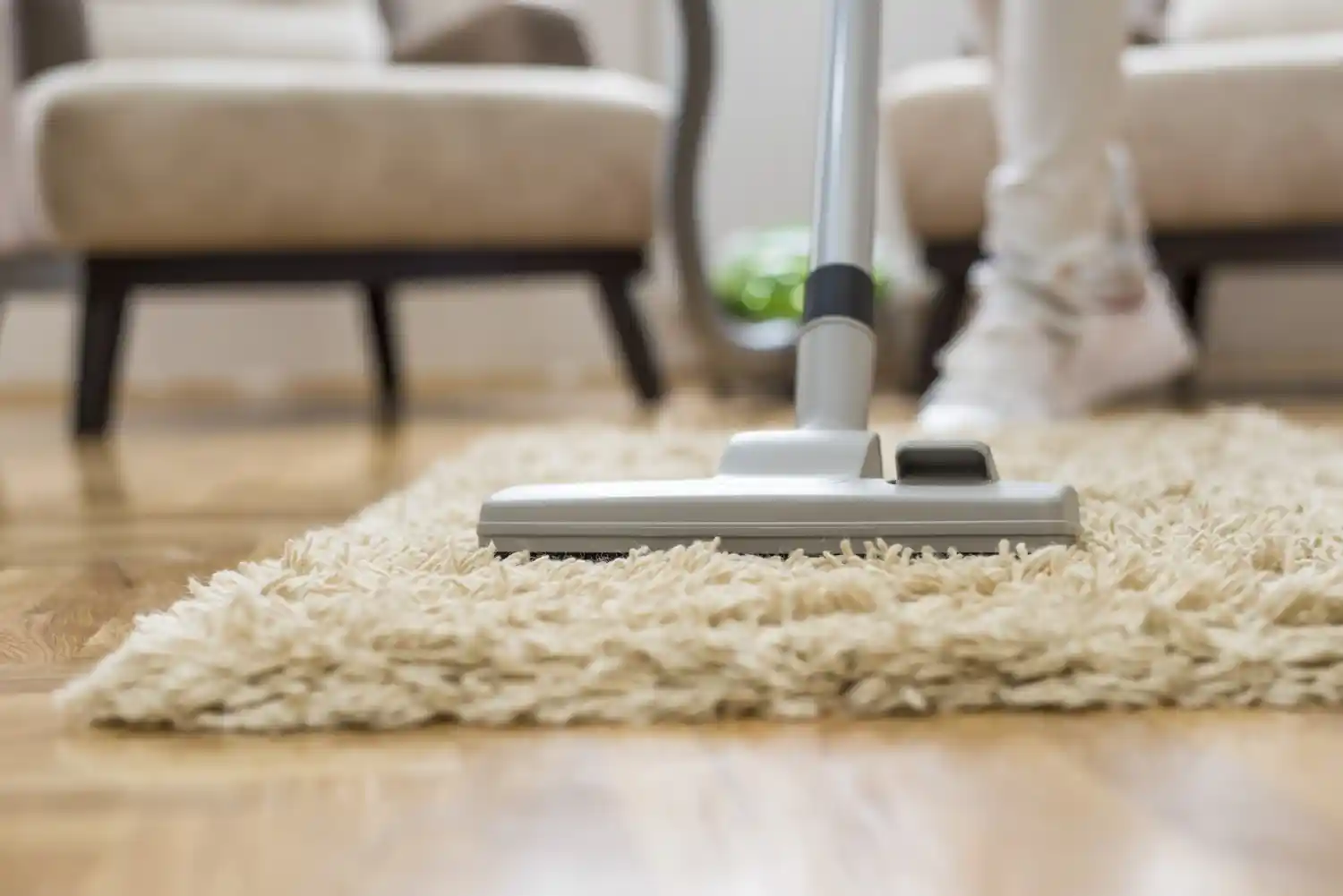
Use a suction-only setting or a vacuum designed for delicate rugs. Avoid aggressive beater bars on fragile materials.
Mistake #6: Letting Spills Sit Too Long
Why Time Matters
A spill that seems harmless can quickly turn into a permanent stain if left untreated. Liquids seep deeper into fibers and reach the rug backing, making removal far more difficult later.
What Happens Over Time
- Stains become set
- Odors develop
- Bacteria growth begins
- Cleaning becomes less effective
Best Practice
Address spills immediately by blotting—not rubbing—to reduce absorption.
Mistake #7: Drying Rugs Incorrectly
The Hidden Danger of Slow Drying
Even if a rug is cleaned properly, poor drying can undo all the effort.
Risks of Improper Drying
- Mold growth
- Musty odors
- Fiber distortion
- Weak backing structure
How to Avoid It
Ensure rugs dry completely in a well-ventilated space. Professional drying techniques often include controlled airflow systems that prevent damage.
Mistake #8: Cleaning Without Considering Rug Placement
Why Location Matters
Not all rugs experience the same wear. A hallway rug sees far more traffic than a decorative bedroom rug.
Common Oversight
Treating all rugs the same leads to uneven maintenance schedules and unexpected wear.
Smarter Approach
- High-traffic rugs need more frequent cleaning
- Entryway rugs require deeper maintenance
- Decorative rugs may need less frequent care
Mistake #9: Relying Only on DIY Cleaning Methods
The Limitations of Home Cleaning
While DIY cleaning helps with maintenance, it cannot match professional deep cleaning.
What DIY Methods Miss
- Deep-seated dirt
- Embedded allergens
- Odor-causing bacteria
- Subsurface stains
Over time, buildup continues even if the surface looks clean.
Why Professionals Make a Difference
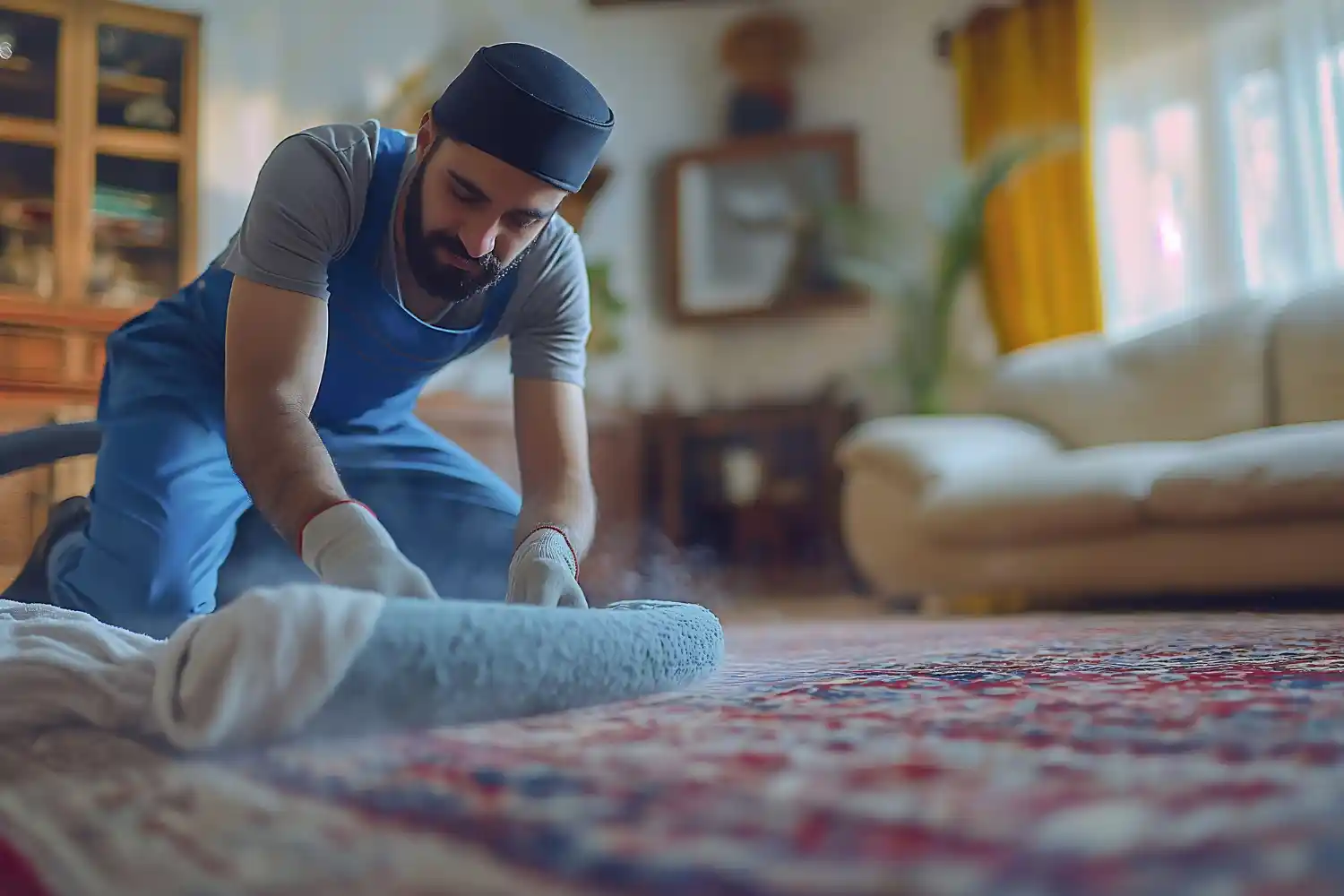
Professional cleaning uses controlled extraction methods designed to clean thoroughly without damaging delicate fibers.
Mistake #10: Waiting Until the Rug Looks Dirty
The Invisible Problem
One of the most overlooked mistakes is relying on appearance alone. By the time a rug looks dirty, it has often been holding contaminants for months.
What You Don’t See
- Dust mites
- Pollen buildup
- Pet dander
- Microbial growth
Better Strategy
Follow a regular cleaning schedule rather than waiting for visible signs of dirt.
Why Professional Area Rug Cleaning Helps Prevent These Mistakes
Professional cleaning is not just about convenience—it helps eliminate the risks associated with improper care. Experts can:
- Identify rug material types correctly
- Apply safe, fiber-specific cleaning methods
- Remove deep contaminants
- Restore texture and appearance
- Prevent long-term damage
This level of care helps extend rug lifespan while maintaining indoor cleanliness and comfort.
Conclusion
Area rugs may seem simple to maintain, but small cleaning mistakes can lead to long-term damage that is often expensive or impossible to reverse. From using too much water and scrubbing stains aggressively to choosing the wrong products or delaying cleaning too long, these habits quietly reduce rug lifespan and impact home hygiene.
The good news is that most of these issues are preventable. With proper care, routine maintenance, and professional cleaning when needed, homeowners can protect their rugs, preserve their appearance, and maintain a healthier indoor environment.
Understanding these mistakes is the first step—avoiding them is what keeps your rugs looking beautiful for years to come.
Protect your rugs with expert cleaning care today.
FAQs
1. What is the most common area rug cleaning mistake?
Using too much water is one of the most common mistakes, leading to mold, odors, and fiber damage.
2. Can scrubbing stains damage area rugs?
Yes, aggressive scrubbing can spread stains and damage delicate fibers.
3. Why do stains get worse over time?
Stains seep deeper into fibers and become harder to remove as they set.
4. Is vacuuming enough to clean area rugs?
No, vacuuming only removes surface debris and cannot eliminate deep dirt or allergens.
5. Can the wrong cleaning product ruin a rug?
Yes, incorrect products can cause fading, discoloration, and fiber damage.
6. How should spills be cleaned properly?
Blot spills gently from the outside inward using a clean, dry cloth.
7. Why is drying important after cleaning a rug?
Improper drying can lead to mold, mildew, and unpleasant odors.
8. Are all rugs cleaned the same way?
No, different materials require different cleaning methods.
9. How often should area rugs be professionally cleaned?
Most rugs benefit from professional cleaning every 12–18 months.
10. Why choose professional rug cleaning over DIY methods?
Professionals provide deeper cleaning, safer methods, and better long-term protection for rugs.